
Educational resource · No treatment offered
About This Men's Pelvic Health Resource
Men's Pelvic Fitness is an independent educational site. It exists because most pelvic floor material online is written for women or buried inside clinical documents, and men looking for plain instructions often end up with vague advice. We compile what public health sources already say and rewrite it in straightforward English.
The site is run as an editorial project, not a clinic. We describe exercises, pacing, and habit structure. We do not diagnose, and we do not build personal treatment plans.
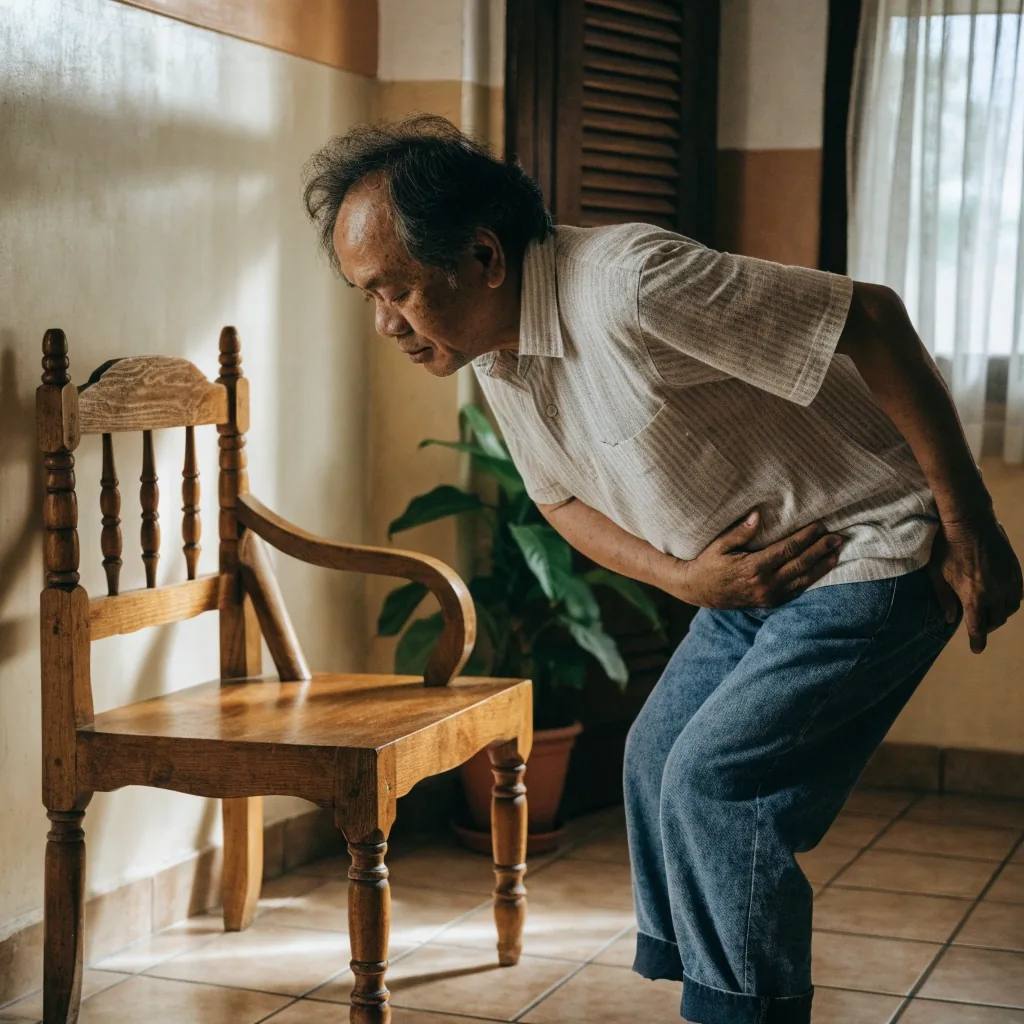
Everyday positions, described the way a reader can actually try them.
Who puts the content together
The team
The pages here are written and edited by a small editorial team that reads publicly available health education material and turns it into step-by-step guidance. Nobody on the team examines patients.
What we are not
We are not a medical practice, and we do not employ clinicians to review individual cases. Nothing on this site is a personal treatment plan, and no page here substitutes for an examination.
What that limit allows
That limit shapes what we publish. Exercise instruction, pacing, and habit structure are things we can describe well. Diagnosis and personal treatment plans are not, so we leave them alone.

Where the material comes from
The technical content follows guidance published by health systems and health education publishers that describe pelvic floor exercises for men. That includes male-specific leaflets from NHS trusts and general wellness articles from health publishers.
NHS trust leaflets
Male-specific patient leaflets published by NHS trusts, which describe how pelvic floor exercises are performed and how often they are suggested.
Health publishers
General wellness articles and health education pages that explain pelvic floor anatomy and the cues commonly used to locate the muscles.
Where sources differ
When sources differ on a detail, such as how long a hold should last, we say so rather than picking one number and presenting it as settled.
Traceable or cut
Anything we cannot trace back to published health education material does not go on the page, even when it sounds reasonable.
You will not find promises on this site. We do not state that an exercise will fix a condition, and we do not publish figures about how many people improve.
Where guidance gives a range, for example three to twelve seconds for a slow hold, that range is reported as the source states it. We keep the wording as close to the published description as plain English allows, so you can see what was actually written.
What we deliberately leave out
Those formats push readers toward buying something, and this site is not built for that. The only thing we ask a visitor to do is read a page and, if they want, try the exercise as described.
- Supplement recommendations
- None. No product is suggested, ranked, or linked as a way to improve results.
- Devices for sale
- No equipment is sold or promoted here, and no trainer accessory is presented as necessary.
- Affiliate links
- Outbound links go to the source material we read. Nothing on this site earns a commission when you click.
- Before-and-after material
- We do not publish outcome comparisons. Pelvic floor changes vary from person to person and cannot be shown as a picture pair.

The Indonesia context
Readers here often search in English while living in a setting where a quiet private space is not always available and where asking about pelvic health can feel awkward. That is why the routine pages emphasize positions you can use at a desk, in a parked car, or at home.
It is also why the language avoids clinical jargon wherever a plain word works. If a sentence needs a medical term to be accurate, we explain it in the next breath.
Daily Routine BuilderEditorial process
-
Draft from the source material
A page starts as a draft built from the published descriptions we collected for that topic, written out in plain sentences.
-
Two checks before publishing
First, whether every instruction can be traced to a published description. Second, whether anything reads like a promise. Drafts that fail either check get rewritten or cut.
-
Revisited when guidance changes
Pages are revisited when the underlying guidance is updated, and the review date is noted on the page so you can see when it was last looked at.
Corrections and feedback
If you spot something inaccurate, unclear, or out of date, tell us. We read messages and correct the page when the point is valid, and we will say so plainly when we change something.
We do not provide personal medical advice by email. If a message asks for it, we will say that we cannot answer it here and point you toward a professional who can examine you.
Send us a correctionAdvertising and independence
This site is not funded by a supplement brand, a clinic, or a device maker. If that ever changes, it will be stated plainly on this page.
Advertising rules on major platforms restrict health claims, and we write to those restrictions by default: careful language, no outcome guarantees, and no invented proof.
A note on what "educational" means here
It means you can read how a movement is described, what cues are commonly used, and where beginners usually go wrong. It does not mean we know your situation.
Pelvic floor symptoms can come from tight muscles as well as weak ones, and the two need different approaches. That is a question for a professional who can examine you, and no page on this site can answer it for you.
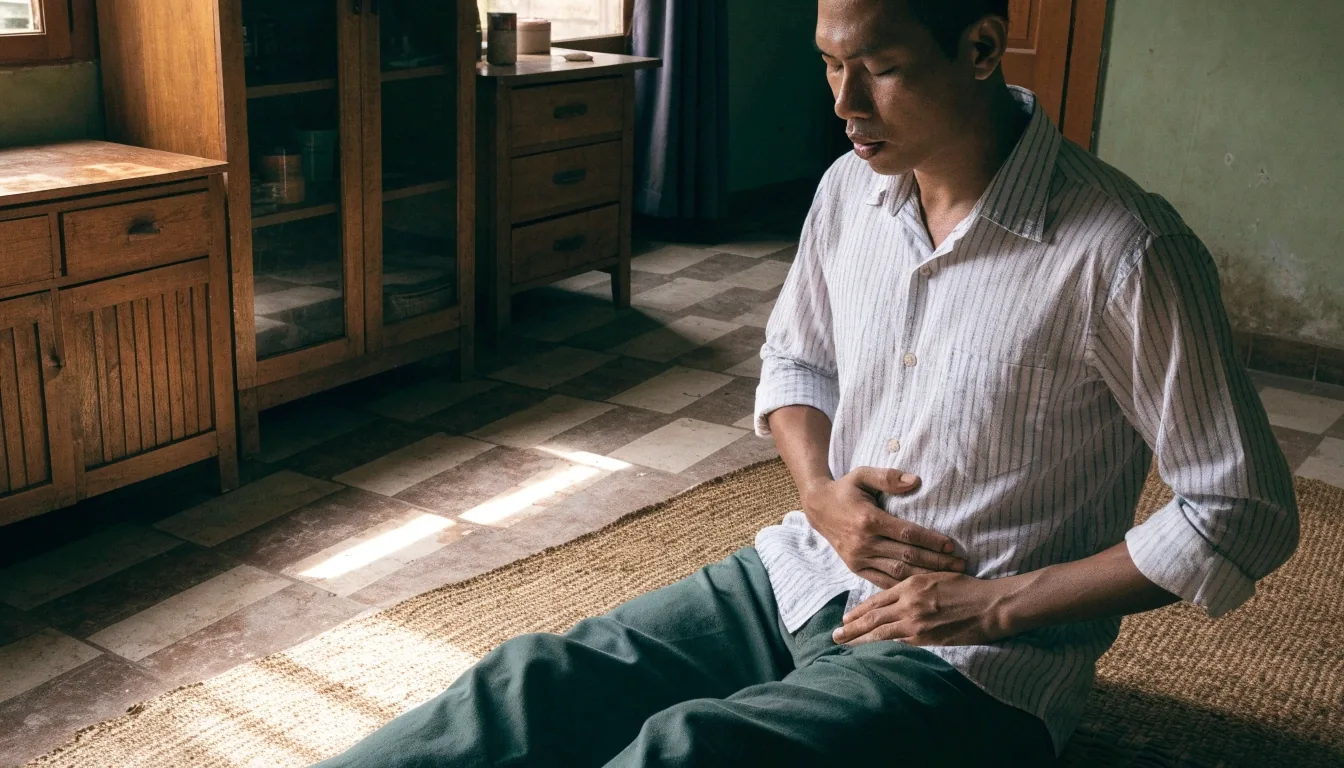
Read a page, then decide for yourself
Start with the exercise guide if you are new here, or open the common questions if you want to know how the guidance handles pacing, soreness, and the difference between a slow hold and a quick squeeze.
Men's Pelvic Fitness · Jl. Kemang Raya No. 18, Bangka, Mampang Prapatan, Jakarta Selatan 12730, Indonesia · Monday to Friday, 9:00 AM – 6:00 PM (WIB)