
Common Questions
Common Questions About Pelvic Floor Training
These are the questions that come up most often from readers working through the exercise pages. Answers stay close to what published health education material describes. Where sources give a range instead of a fixed number, the range is reported as it appears.
This site shares general exercise education for men. It is not medical advice and it makes no promises about results. If something hurts, stop and speak with a qualified health professional.
How to use these answers
Each answer below stands on its own, so you can read the one that matches your question and leave the rest. If you are starting out, the order here also works as a short sequence: find the muscles, then decide how often to practise, then build the routine.
Finding the muscles
The identification cue, how often to use it, and what to do when you cannot feel a lift yet.
Pacing and sets
Short sets across the day, why one long session is different, and how to return after a missed day.
When to ask for help
Pain, cramping, and the cases where a pelvic health professional is the right next step.
Sources differ on the finer details, and that is normal for exercise guidance. Where published material describes a range, this page keeps the range instead of picking one number. Where it describes a cue, the cue is reported with the caution that comes attached to it.
Consistency across weeks matters more than the size of any single session.
That single line explains most of the answers that follow. When a set feels too easy to count, when a week gets busy, when a position feels awkward at first — the routine that survives is usually the one that keeps going at a modest size.
Finding and checking the muscles
The standard identification cue is the sensation of stopping wind or interrupting urine mid-flow. Use it once to locate the muscles. Then stop using the urine cue as a repeated exercise, because regularly interrupting the flow can interfere with normal bladder emptying.
How do I find the right muscles in the first place?
Use the stopping-wind cue, or the mid-flow urine cue, once — just long enough to feel which muscles move. After that, practise without either cue. If you cannot feel a lift at all after a week of trying, that is a reason to ask a professional rather than push harder, because forcing the movement usually teaches the wrong pattern.
Why should I stop using the urine cue as an exercise?
Regularly interrupting the flow can interfere with normal bladder emptying. The cue is a one-off way to locate the muscles, not a set you repeat through the day. Once you know the sensation, switch to practising it while lying down, seated, or standing, away from the bathroom.
How do I know the movement is correct and not just squeezing everything?
The lift is the point, not the squeeze. Buttocks, thighs, and stomach should stay quiet, and you should be able to breathe at a normal rate while holding. If you finish a set and your whole lower body feels worked, the effort has moved into the wrong muscles — slow down and reduce the effort until the lift is the only thing you notice.
A cue that helps
Think of a gentle upward draw rather than a hard clench. Most people get closer to the right muscles on a light effort than on a maximum one.
How often and how long
Guidance commonly describes several short sets spread across the day, each one a few minutes long. Doing one long session is not the same thing and tends to produce fatigue.
Short sets, spread out
A few minutes in the morning, a few in the afternoon, a few in the evening. Each set stays short enough that the movement does not turn into a strain, and the muscles get time to recover between rounds.
Why one long session is different
Stacking every repetition into a single sitting tends to produce fatigue, and tired muscles are harder to control. When the last repetitions feel sloppy, the session has already gone past the useful point.
Coming back after a missed day
Resume at the next scheduled session rather than doubling up. There is nothing to make up. A missed day is simply a gap in the calendar, and the next set continues where the routine left off.
How many sets should a day hold?
Published material usually describes a small number of short sets rather than a single long one, and it tends to give a range rather than a fixed count. Pick the lower end of the range if you are new to the movement, and let the number of comfortable sets decide how the week is arranged.
What matters more than the exact count is whether the sets actually happen. A reader who does three short sets on a Tuesday and three on a Thursday is closer to a workable habit than one who plans an ambitious session and skips the week. Keep the target modest enough that a busy day does not wipe it out.
If you are rebuilding the habit after a break, start with fewer sets than you think you can manage, hold that for a week, and add a set only when the current one feels unremarkable. The daily routine builder page walks through that arrangement in more detail.
Build a daily routine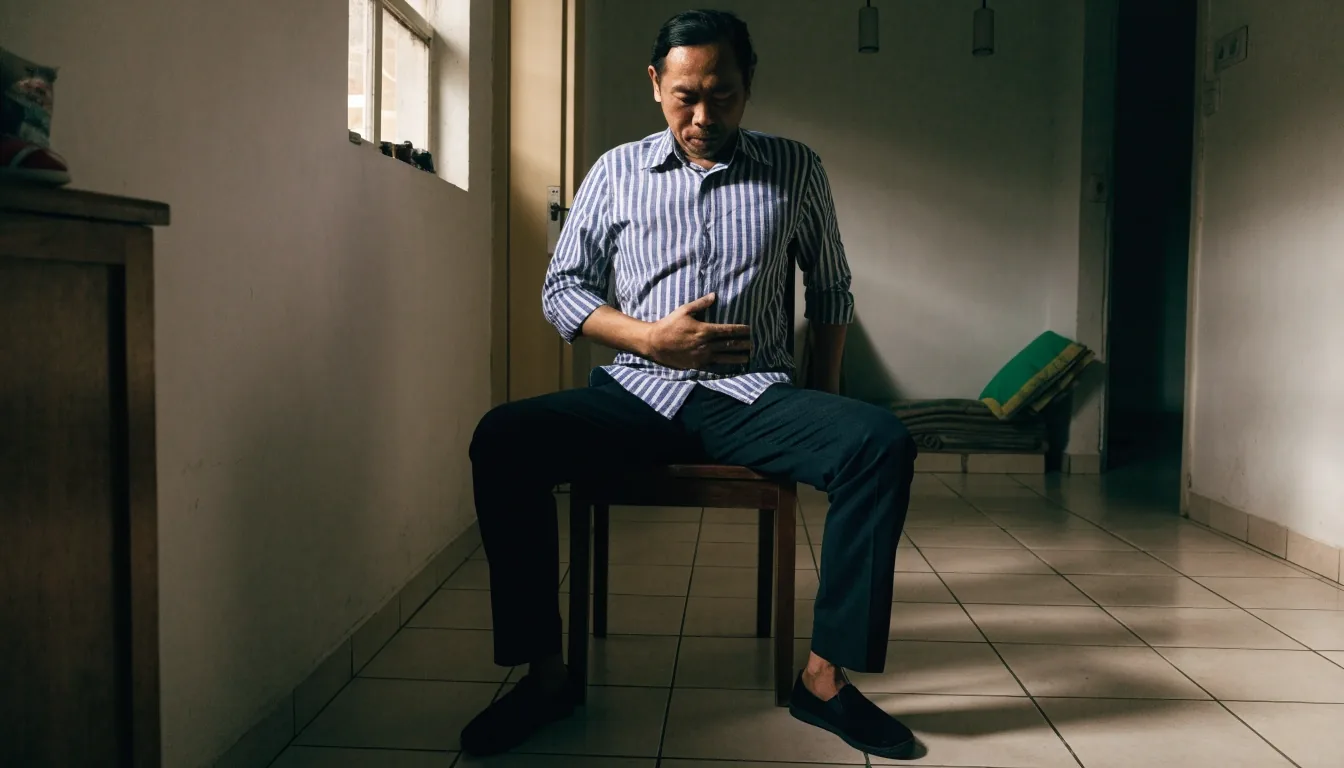
Slow holds versus quick squeezes
Slow holds are the endurance set: lift, hold for a few seconds, release fully, rest. Quick squeezes are the fast set: a short pull and an immediate release, often repeated around eight to ten times. They train different things and both usually appear in the same routine. Doing only one of them leaves the other skill untrained.
The endurance set
Lift, hold for a few seconds, release fully, then rest before the next repetition. The full release matters as much as the hold — it is what tells the muscle to let go again. If the release stops feeling clean, end the set.
The fast set
A short pull and an immediate release, often repeated around eight to ten times. Keep the pull small and the release complete; speed is not the goal. These repetitions train a response that the long holds do not cover.
Most published routines pair the two in the same session rather than choosing between them. If you are unsure how the two sets fit together across a week, the slow holds and quick squeezes page sets out the pairing in full.
Slow Holds and Quick SqueezesPositions
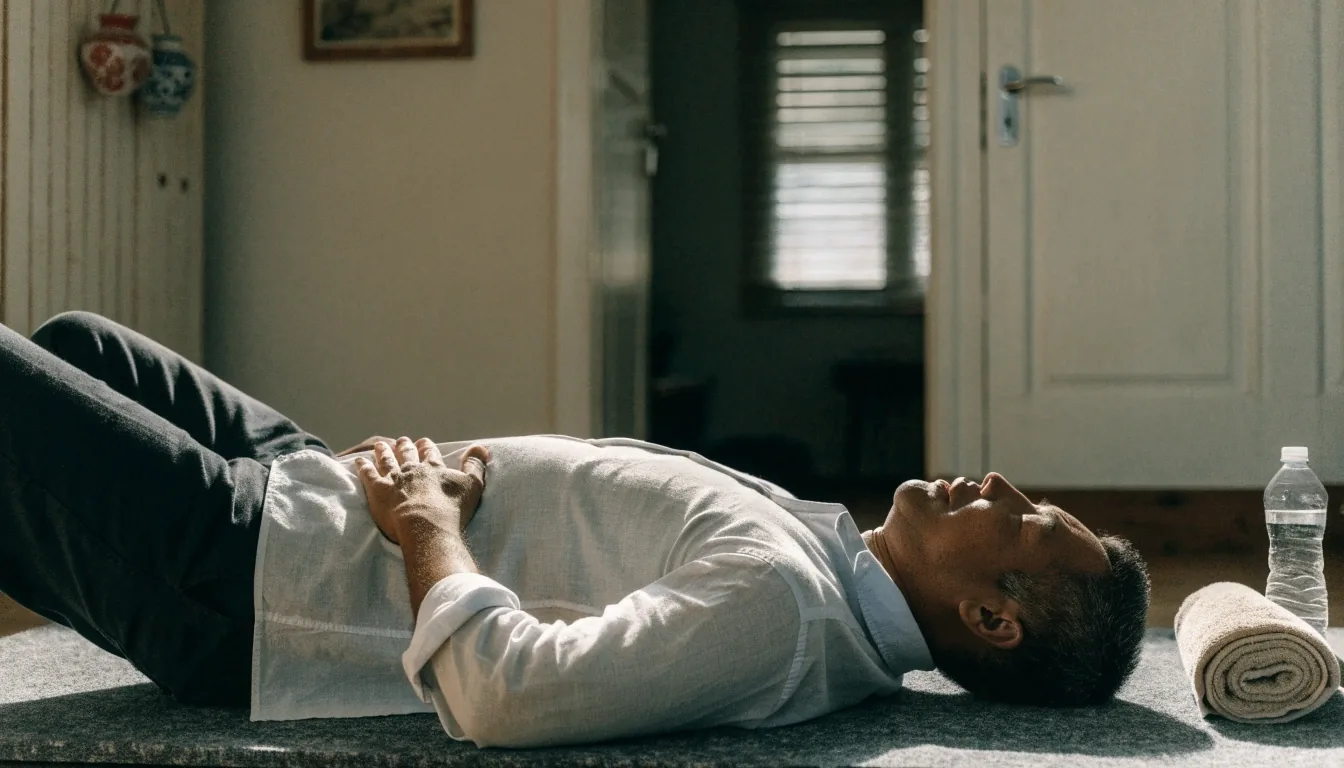
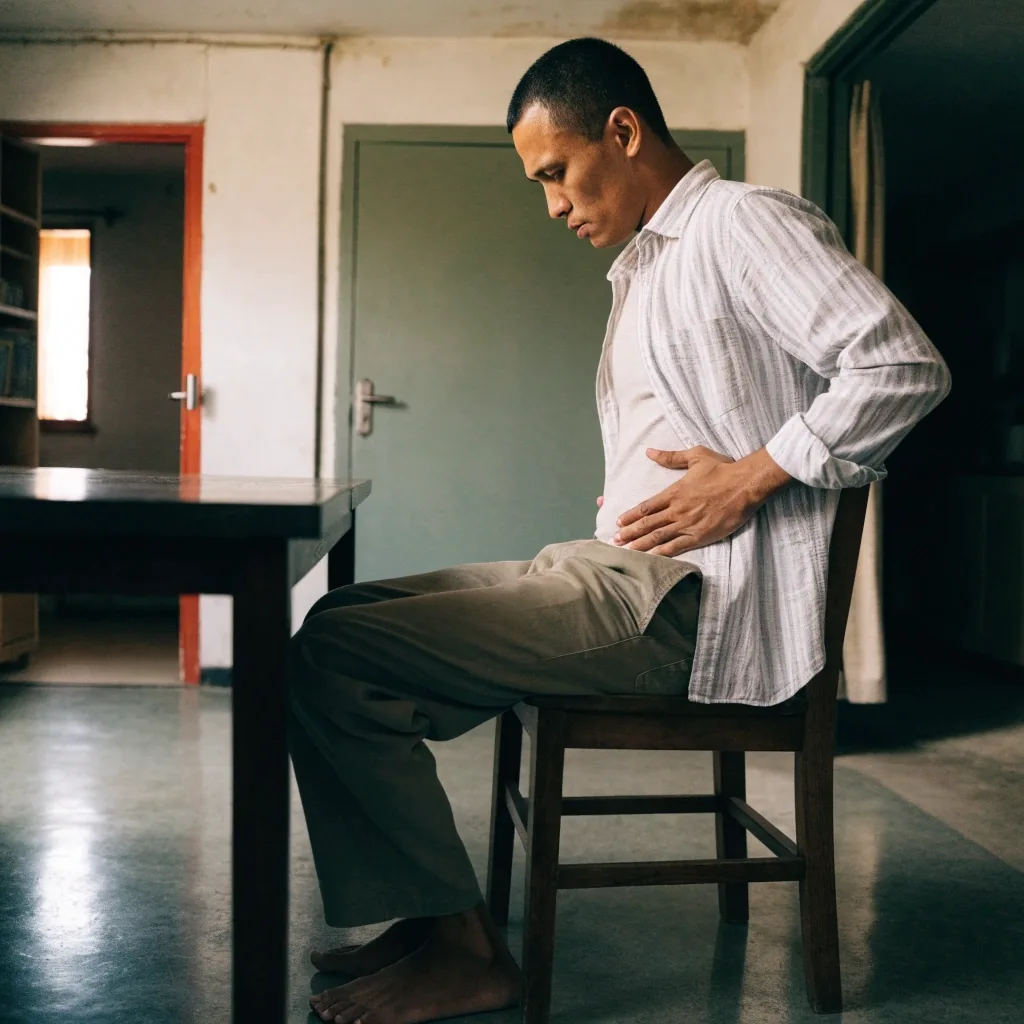
Start lying down, where it is easiest to feel the movement. Move to sitting on a firm chair, then to standing with support nearby. The progression exists because the standing position is the one you are in during daily activity.
There is no requirement to master one position before trying the next, but lying down is the clearest place to check your technique. If the movement disappears when you stand up, that is information rather than a failure — it tells you where to spend more practice time.
Supporting Exercises and PostureBreathing
Keep breathing at a normal rate throughout. Holding your breath creates pressure that works against the movement, so a set done on a held breath is a set spent fighting yourself.
Letting the exhale coincide with the release helps many people coordinate the two. If you finish a set feeling lightheaded, you were holding your breath — pause, breathe normally, and shorten the next set until the breathing stays even.
Readers who practise while seated at a desk often find the breathing easier to keep steady than when standing. Either place works, as long as the breath does not stop.
What to do about pain
Sharp pain, cramping, or a feeling that the muscles will not relax are not training problems to push through.
Stop the exercise and get it assessed. Some pelvic floors are already tense rather than weak, and more contraction makes that worse. A pelvic health physiotherapist or doctor can tell the difference between a muscle that needs training and one that needs to be taught to let go.
Bring a short note of what you were doing when the pain appeared, which position you were in, and how long it lasted. That detail makes the first conversation more useful. Nothing on this page is a diagnosis, and it is not a substitute for an in-person assessment.
Questions about your own situation belong with a qualified professional, not with a web page.
Contact the editorial team
When to expect something to change
This site does not promise outcomes, and it does not publish figures about how quickly people notice a difference. What you can track is whether the movement is correct and whether the sessions are happening.
Skill and control usually develop over weeks of consistent practice. Anything beyond that is individual and belongs in a conversation with a clinician rather than in a timeline printed on a web page. If you want a realistic way to keep track, note two things after each set: did the lift feel like a lift, and did the breathing stay steady.
Track the movement
Correct technique is the one thing you can check honestly on any given day, with no equipment and no guesswork.
Track the sessions
Whether the short sets actually happened is a fact about the week. Outcomes over time are not something this page can forecast.
Ask when unsure
A pelvic health physiotherapist or doctor can check technique in person and answer what a web page cannot.
Visit Jl. Kemang Raya No. 18, Bangka, Mampang Prapatan, Jakarta Selatan 12730, Indonesia
Hours Monday to Friday, 9:00 AM – 6:00 PM (WIB)
Email [email protected]
This page is general exercise education for men. It is not a diagnosis, not medical advice, and it does not promise any particular result. Speak with a qualified health professional about your own situation.